
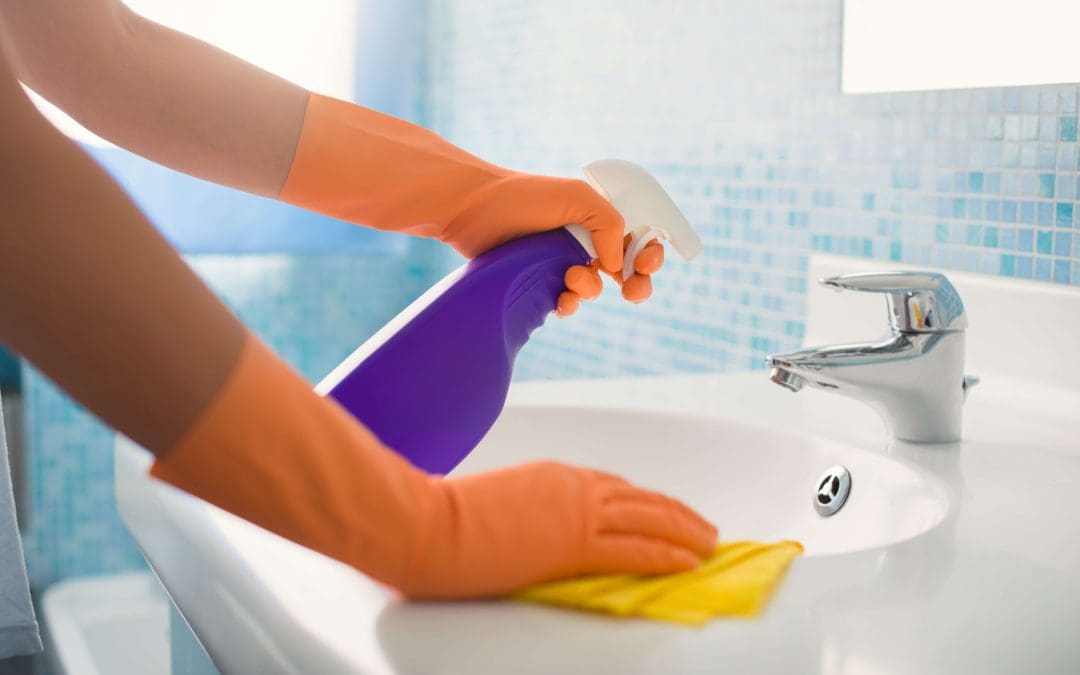
Spring cleaning is more than just a seasonal chore; it’s an opportunity to reset your living space and create a healthier, more organized home. As the days get longer and sunlight pours through your windows, it naturally highlights areas that may have been overlooked during the colder months. That’s where a thoughtful approach comes in, helping homeowners tackle buildup, reduce clutter, and restore a sense of calm and order.
Why Spring Cleaning Matters
Spring cleaning plays an important role in maintaining both your home and your well-being. Over time, dust, allergens, and unnecessary items accumulate, making spaces feel cramped and less inviting. A thorough seasonal clean improves indoor air quality, enhances comfort, and can even boost productivity. For homeowners, it also provides a chance to identify minor maintenance issues before they turn into costly repairs. Beyond the physical benefits, there’s a psychological advantage as well. A clean, organized environment reduces stress and helps create a more positive mindset. By committing to spring cleaning, homeowners invest in both their property and their quality of life.
How to Plan Your Spring Cleaning Effectively
A successful spring cleaning routine starts with a clear plan. Instead of attempting to clean everything at once, break tasks into manageable sections. Focus on one room at a time, ensuring each space gets the attention it deserves. Start by decluttering. Removing items you no longer need makes the cleaning process more efficient and impactful. Once clutter is out of the way, deep cleaning becomes much easier. Pay attention to areas that are often ignored, such as baseboards, ceiling fans, and behind furniture. Timing is also key. Set realistic goals and spread tasks over several days or weekends. This prevents burnout and ensures a more thorough job. With a structured approach, cleaning becomes less overwhelming and more rewarding.
Essential Areas to Focus On
Certain parts of the home require extra attention during spring cleaning. Kitchens and bathrooms are high-priority areas due to frequent use and potential buildup of grime and bacteria. Deep clean appliances, sanitize surfaces, and organize cabinets to maximize efficiency. Living areas benefit from dusting, vacuuming, and refreshing upholstery. Curtains, rugs, and cushions often trap dust and allergens, so cleaning them could significantly improve air quality. Bedrooms should also be included, with a focus on washing bedding, rotating mattresses, and organizing closets. Don’t forget overlooked spaces such as storage rooms, garages, and entryways. These areas often become dumping grounds over time and will greatly benefit from a seasonal reset.
Smart Spring Cleaning Tips for Busy Homeowners
For homeowners with busy schedules, spring cleaning may feel like a daunting task. The key is to work smarter, not harder. Use efficient cleaning tools and products that save time while delivering effective results. Microfiber cloths, multi-surface cleaners, and vacuum attachments make a noticeable difference. Another helpful strategy is to involve the entire household. Sharing responsibilities not only speeds up the process but also fosters a sense of teamwork. Assign tasks based on ability and availability to ensure everything gets done efficiently. Consistency also matters. While spring cleaning is a deep seasonal effort, maintaining smaller cleaning habits throughout the year reduces the workload when spring arrives again. Simple routines like regular decluttering and quick weekly cleanups will make future efforts far less demanding.
Maintaining Results After Deep Cleaning
Once spring cleaning is complete, maintaining the results is essential. A clean home can quickly revert to clutter without ongoing attention. Establishing daily and weekly habits helps preserve the effort you’ve invested. Keep frequently used areas tidy by putting items back in their designated places. Regularly wipe down surfaces and address small messes before they grow. Seasonal check-ins will help ensure your home stays organized year-round.
Spring cleaning should be seen as a starting point rather than a one-time event. By building on this foundation, homeowners can enjoy a consistently clean and welcoming environment.
Frequently Asked Questions (FAQs)
What is the best time to start spring cleaning?
The best time to start spring cleaning is early in the season when temperatures begin to rise and natural light increases.
How long does spring cleaning usually take?
Spring cleaning can take anywhere from a few days to a couple of weeks, depending on the size of your home and the level of detail involved. Breaking tasks into smaller sessions helps make the process more manageable.
Do I need special products?
While specialized products may help, they are not always necessary. Many effective cleaning solutions can be made from common household items.
What should I do with items I no longer need?
Items that are no longer needed can be donated, recycled, or responsibly discarded.
Inspection Services of Wisconsin provides home inspection services for customers in Northeast and South Central Wisconsin. Contact us to request an appointment.