
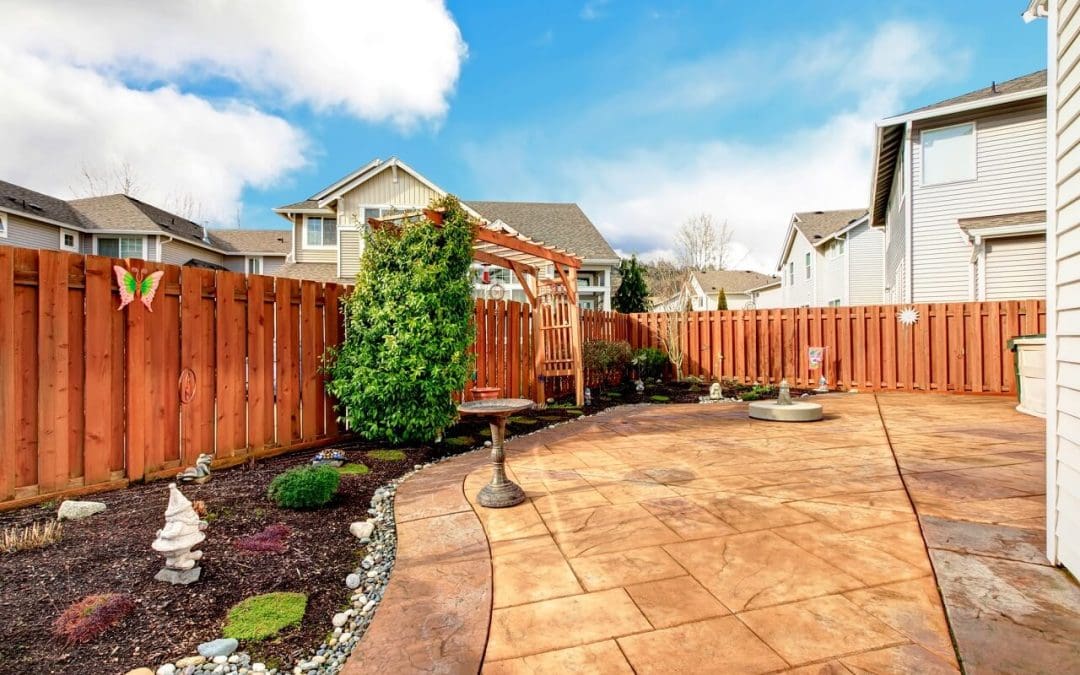
A beautiful yard doesn’t have to mean endless hours of mowing, pruning, watering, and weeding. Low-maintenance landscaping is quickly becoming the go-to solution for homeowners who want an attractive outdoor space without dedicating every weekend to yard work. By choosing the right plants, materials, and design strategies, it’s possible to create a landscape that practically takes care of itself. Instead of relying on high-care plants and complex designs, this approach prioritizes durability, sustainability, and simplicity. The result is a yard that looks polished and inviting while requiring far less time, effort, and money to maintain. For homeowners juggling busy schedules, this type of landscaping offers the perfect balance between beauty and practicality.
The Core Principles of Low-Maintenance Landscaping
Creating a landscape that requires minimal upkeep begins with thoughtful design. Low-maintenance landscaping works best when every element is chosen with long-term ease in mind. One of the most important principles is plant selection. Native and drought-tolerant plants tend to thrive in their natural environment, which means they require less watering, fertilizing, and attention. When plants are naturally suited to the local climate and soil conditions, they grow healthier and stronger with minimal care. Another key principle is reducing lawn areas. Traditional lawns can be surprisingly demanding, requiring frequent mowing, watering, and fertilizing. Replacing portions of grass with mulch beds, decorative stone, or ground cover plants can dramatically reduce maintenance while adding visual interest to the yard. Efficient irrigation systems also play a major role. Drip irrigation and smart watering systems guarantee plants receive the right amount of moisture without waste or constant manual watering.
Designing a Low-Maintenance Landscaping Layout
The layout of a yard will significantly impact how much maintenance it requires. A well-planned landscaping design focuses on simplicity, accessibility, and long-term durability. Grouping plants with similar water and sunlight needs is one of the most effective strategies. This approach, often called hydrozoning, makes watering more efficient and prevents overwatering or underwatering certain plants. Hardscaping elements contribute to easier maintenance. Patios, walkways, gravel areas, and stone borders reduce the amount of space that needs regular care. This will give the yard structure and character. Another helpful approach is installing landscape fabric under mulch or gravel areas. This helps suppress weeds, reducing the need for constant pulling and spraying.
Best Plant Choices for Low-Maintenance Landscaping
Plant selection is often the difference between a landscape that thrives easily and one that requires constant attention. In low-maintenance landscaping, the goal is to choose plants that naturally adapt to the local environment. Perennials are a popular choice because they return year after year without needing to be replanted. Ornamental grasses are another excellent option, as they add movement and texture while requiring very little care. Shrubs that maintain their natural shape without heavy pruning are ideal as well. Ground covers can replace traditional grass in some areas. These plants spread naturally, suppress weeds, and eliminate the need for regular mowing. Mulch also plays a significant role in plant health. It helps retain soil moisture, regulate temperature, and prevent weeds, all of which contribute to a landscape that requires less maintenance overall.
Smart Features That Reduce Maintenance
Technology and design improvements have made low-maintenance landscaping even easier to achieve. Smart irrigation controllers, for instance, automatically adjust watering schedules based on weather conditions. This reduces water waste and ensures plants receive consistent care. Using durable materials for hardscaping makes a big difference. Stone, concrete pavers, and composite materials typically last for years without needing frequent repairs or replacements. Raised planting beds are another smart addition. They improve drainage, make gardening more accessible, and help keep plant areas organized and manageable. Lighting could also be incorporated; solar-powered garden lights require little upkeep and enhance safety and visual appeal at night.
The Long-Term Benefits of Low-Maintenance Landscaping
Choosing low-maintenance landscaping provides more than just convenience. Over time, it could lead to significant cost savings. Reduced watering, fewer fertilizers, and minimal equipment use will lower overall landscaping expenses. Environmentally, this approach is also more sustainable. Drought-tolerant plants and efficient irrigation help conserve water, while native plant species support local wildlife and pollinators. Perhaps the greatest benefit is peace of mind. Instead of worrying about constant yard work, homeowners can simply enjoy their outdoor space. A well-designed landscape should enhance a home’s beauty and value while fitting comfortably into everyday life. Low-maintenance landscaping makes that balance possible.
Frequently Asked Questions (FAQs)
What is considered low-maintenance landscaping?
Low-maintenance landscaping refers to a yard design that minimizes the need for regular watering, mowing, pruning, and fertilizing.
Does low-maintenance landscaping mean no maintenance?
Not exactly. Every landscape requires some care. However, low-maintenance landscaping significantly reduces the time and effort needed compared to traditional yard designs.
Is low-maintenance landscaping expensive?
Initial installation costs vary depending on the design and materials used. However, many homeowners find that the long-term savings on water, fertilizers, and maintenance make it a worthwhile investment.
What plants work best for low-maintenance landscaping?
Native plants, ornamental grasses, hardy shrubs, and perennials tend to perform best. These plants are naturally suited to local conditions and require less watering and upkeep.
Can low-maintenance landscaping still look attractive?
With thoughtful design, varied textures, and well-chosen plants, low-maintenance landscaping can look just as beautiful, if not more so, than traditional landscapes while requiring far less work.
Inspection Services of Wisconsin provides home inspection services for customers in Northeast and South Central Wisconsin. Contact us to request an appointment.