
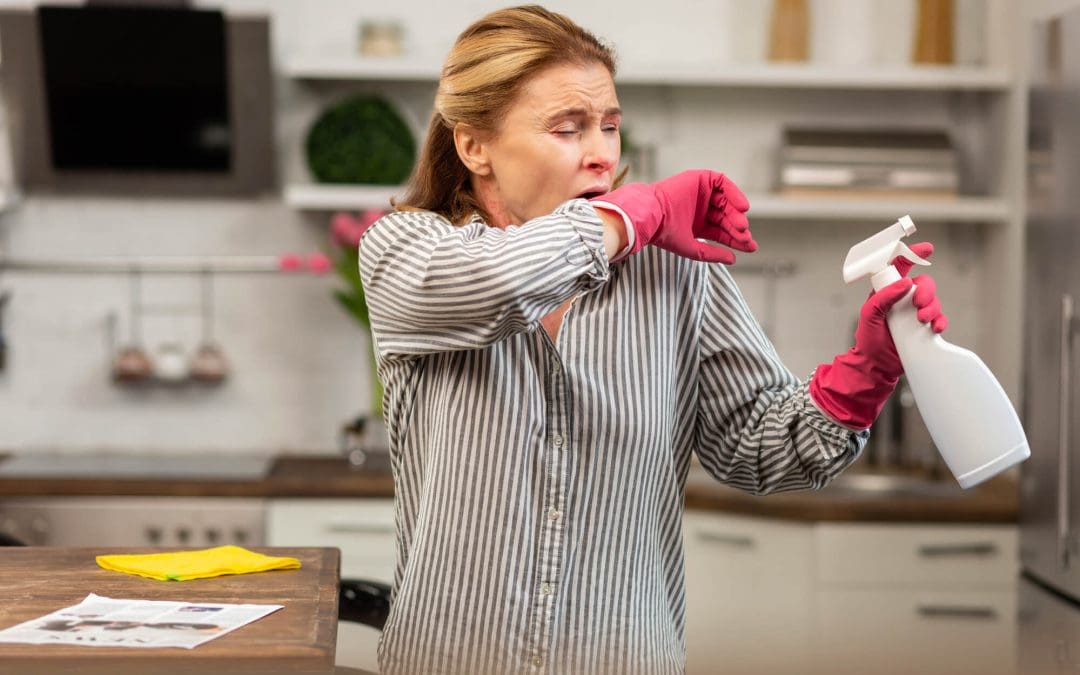
We often think of air pollution as something that happens outdoors, like smog over a city or smoke from a distant wildfire. However, for most homeowners, the air inside their homes can be more polluted than the air outside. Since we spend the vast majority of our lives indoors, improving indoor air quality is one of the most significant steps you can take for your family’s health and daily comfort.
Identifying Common Threats to Indoor Air Quality
Before you can fix the problem, you have to understand what you are fighting against. Our homes are filled with invisible guests that may irritate our lungs and drain our energy. Common culprits include volatile organic compounds (VOCs), gases emitted by everyday items such as paints, cleaning supplies, new carpeting, and even air fresheners. Beyond chemicals, biological pollutants such as dust mites, pet dander, and mold spores thrive in environments with poor circulation or high humidity.
Natural Ventilation Strategies to Improve Indoor Air Quality
One of the simplest and most cost-effective ways to refresh your home is to embrace the power of fresh air. Opening windows for even ten minutes a day can create a cross-breeze that flushes out stagnant indoor air and built-up toxins. In addition to opening windows, you should make full use of the exhaust fans already installed in your home. Many homeowners forget to run the kitchen hood while cooking or the bathroom fan during and after a shower. These fans are designed to vent moisture and combustion byproducts directly outside. Moisture control is a significant part of the battle, as keeping humidity levels between 30 and 50 percent prevents the growth of mold and mildew, both of which are major detractors of a healthy home environment.
The Role of Filtration in Maintaining Indoor Air Quality
When natural ventilation isn’t enough, your home’s HVAC system becomes your primary line of defense. Most people treat their furnace filters as a “set it and forget it” component, but these filters are the lungs of your house. Using a HEPA rated filter can trap significantly more microscopic particles than a cheap fiberglass one. However, you must check these filters monthly and replace them at least every ninety days to ensure they don’t become clogged, which will restrict airflow and put a strain on your system. For those looking for an extra layer of protection, portable air purifiers equipped with HEPA filters are an excellent addition, especially in bedrooms or home offices. By combining consistent HVAC maintenance with targeted air purification, you create a multi-stage defense system that works around the clock to refine the air you breathe.
Simple Lifestyle Changes for a Cleaner Home Environment
Improving your home’s air doesn’t always require a new gadget; sometimes it’s about changing a few daily habits. For instance, implementing a “no-shoes” policy at the front door prevents a surprising amount of lead dust, pesticides, and dirt from being tracked onto your floors and eventually becoming airborne. Similarly, choosing fragrance-free or naturally scented cleaning products will drastically reduce the chemical load in your living spaces.
Regular cleaning also plays a massive role. Using a vacuum cleaner with a HEPA filter ensures that you are actually removing dust rather than just blowing it back out into the room. Washing bedding in hot water weekly kills dust mites, and keeping indoor plants could even help absorb certain toxins, though you should be careful not to overwater them, as damp soil encourages mold. These small, intentional choices aggregate over time to create a noticeably fresher atmosphere.
Frequently Asked Questions (FAQs)
How do I know if my indoor air quality is actually poor?
Common signs include frequent headaches, dry eyes, persistent coughing, or feeling unusually tired while at home. If your symptoms improve when you leave the house for a few hours, it’s a strong indicator that your indoor environment needs attention.
Do indoor plants really help improve indoor air quality?
While plants absorb small amounts of certain toxins like formaldehyde, you would need a literal jungle in your living room to see a massive chemical shift. They are great for morale and minor air scrubbing, but they should be used as a supplement, not a replacement, for proper ventilation and filtration.
Is it better to run my HVAC fan constantly to clean the air?
Most experts suggest running the fan in “Auto” mode to manage humidity, but running it in the “On” position can provide continuous filtration if you have a high-quality filter installed. Be mindful that this will increase your energy bill and require you to change your filters more frequently.
Can I improve indoor air quality without spending a lot of money?
Absolutely. Opening windows for cross-ventilation, taking your shoes off at the door, and keeping your humidity levels low are all free or very low-cost ways to make a significant impact.
How often should I have my air ducts cleaned?
You don’t necessarily need to clean your ducts every year. However, if you notice visible mold growth in the ducts, a vermin infestation, or excessive dust clogging the vents, it is time to call in a professional.
Inspection Services of Wisconsin provides home inspection services for customers in Northeast and South Central Wisconsin. Contact us to request an appointment.