
Most significant plumbing failures don’t happen without warning; they happen after weeks or months of signals that were visible, audible, or detectable but not acted upon. A slow drain that seems like a minor inconvenience could be the first indicator of a blockage developing toward a backup. A water stain on the ceiling that seems cosmetic may be evidence of a slow leak that has been saturating the subfloor and structural framing above it. Knowing which signs of plumbing problems warrant immediate attention and which indicate developing conditions worth monitoring is the homeowner knowledge that most directly prevents a minor repair from becoming a major remediation.
Visible Signs of Plumbing Problems in the Home
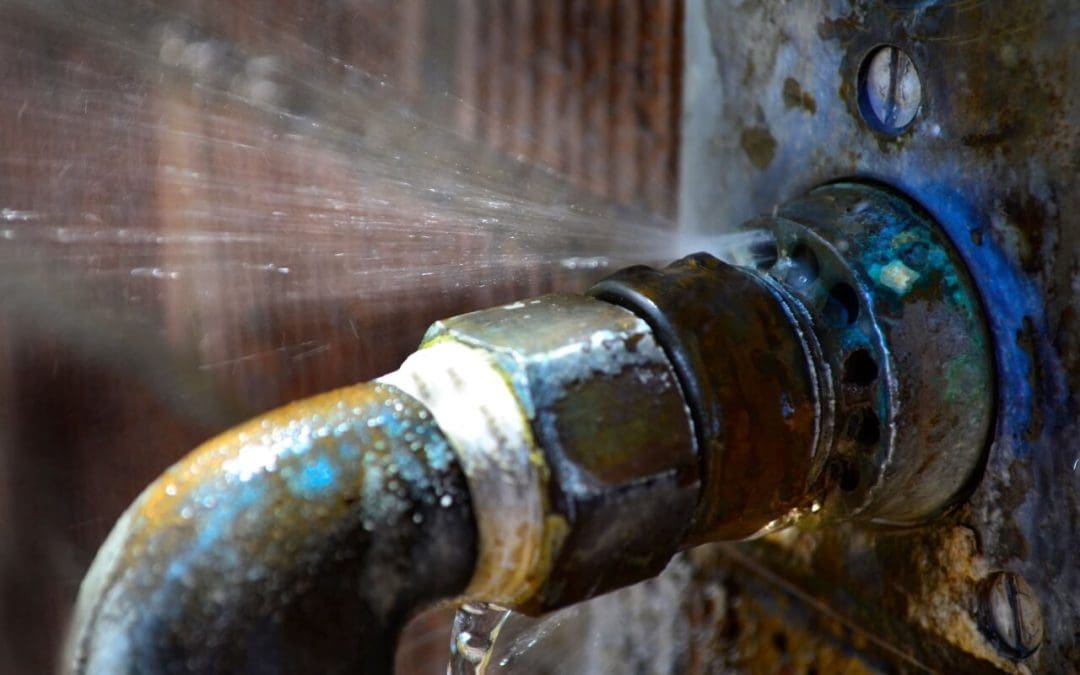
The most actionable plumbing problems are the ones with visible evidence. Visibility means the condition has progressed far enough to produce physical indicators, and the sooner those indicators are investigated, the lower the cost of the repair they point toward. Water stains on ceilings, walls, or cabinets beneath sinks are the visible sign that most consistently indicates an active or recent leak. A yellow or brown stain on a ceiling below an upstairs bathroom is rarely something other than a plumbing leak, and the size of the stain isn’t a reliable indicator of severity. A small stain can reflect a leak running for months and saturating concealed materials. Discoloration or soft spots on flooring near the toilet, tub, or dishwasher indicate water intrusion that has been wetting the subfloor beneath. Rust or mineral deposits around supply line connections and shut-off valves are visible plumbing problem indicators that point toward corrosion and slow seepage, conditions that precede failure if not addressed.
The Plumbing Problems Most Homeowners Overlook
Some of the most reliable plumbing problems indicators aren’t visible, they’re audible or felt through the home’s water system in ways that most homeowners attribute to normal operation when they’re anything but. Water hammer, the banging sound when a faucet is turned off quickly or a washing machine valve closes, indicates supply lines aren’t properly secured or the system lacks adequate arrestors. Pressure spikes that produce the sound can stress pipe joints over time. Gurgling sounds from drains when a toilet is flushed indicate a venting problem, air entering the drain system from the wrong direction, and are the plumbing problem sign that most reliably indicates a developing drain or sewer condition rather than an isolated fixture issue. Low water pressure throughout the home points toward a supply line issue, a failing pressure regulator, or in older homes, pipe corrosion that has progressively narrowed the supply lines.
The Indicators That Reveal Hidden Conditions
Sewage odor in the home without an obvious source is one of the plumbing problem signs that warrants the most immediate professional attention. Persistent sewer odor indicates a failed drain component, a broken sewer line, or a venting failure allowing gas into the living space, a hazard at sufficient concentrations that rules out monitoring in favor of immediate investigation. Unexplained increases in the water bill are an indicator that most reliably reveals a concealed leak. A supply line running behind a wall or a slab leak beneath a concrete floor doesn’t produce visible evidence until significant damage has accumulated, but it does produce measurable consumption that appears on the bill. Investigating any unexplained month-over-month increase is the detection habit that most effectively identifies concealed leaks before they become structural problems.
Frequently Asked Questions (FAQs)
What are the most urgent plumbing problems requiring immediate attention?
Active water flow from a burst pipe, sewage backing up through floor drains, sewage odor throughout the home without an identifiable source, and no water supply to any fixture all warrant same-day professional response. These conditions pose health and safety risks, are producing damage in real time, or indicate a main supply or sewer failure that affects habitability. Problems in this category should result in shutting off the main water supply valve before the plumber arrives.
Can I ignore a slow drain?
A single slow drain is often localized debris that a drain cleaner addresses without professional involvement. Multiple slow drains simultaneously, or a slow drain that returns quickly after clearing, are indicators that point toward a main drain line blockage rather than an isolated fixture issue. A main line blockage will eventually produce a backup at the lowest drain point in the home, typically a basement floor drain or the lowest bathroom.
How do I know if I have a slab leak?
Slab leaks most consistently produce warm spots on the floor, unexplained water bill increases, reduced pressure, and the sound of running water when all fixtures are off. Any of these in combination warrants a professional leak detection evaluation using acoustic and thermal equipment to locate the leak without excavation. Slab leaks don’t resolve on their own and produce progressive structural damage the longer they go undetected.
Do plumbing problems affect a home’s value at sale?
Yes, significantly. Visible plumbing problems during a buyer’s inspection become documented conditions the buyer uses to renegotiate price or request remediation. Addressing known plumbing problems before listing, with work documented by a licensed plumber, most directly removes this category of buyer objection.
What plumbing problems can I address myself versus those requiring a licensed plumber?
Replacing a faucet, clearing a localized drain blockage, and replacing a toilet flapper are within DIY capability. Plumbing problems involving the main drain line, sewer line, or vent system require a licensed plumber. Any work involving gas lines, supply lines inside walls or beneath the slab, or permit-required work warrants professional execution regardless of the homeowner’s comfort with basic tasks.
Inspection Services of Wisconsin offers home inspections in Northeast and South Central Wisconsin. Contact us to request our services.