
Eco-friendly home improvements are a category that often gets framed in terms of solar panels and major renovations, significant investments that require substantial capital and planning. The reality is that some of the most impactful improvements are among the most accessible and affordable, producing immediate results in both environmental impact and household cost savings. For homeowners who want to make their home genuinely more sustainable without a construction project, the right place to start is with the systems and habits that produce the most measurable results per dollar spent.
Eco-Friendly Home Improvements That Start With Water and Air
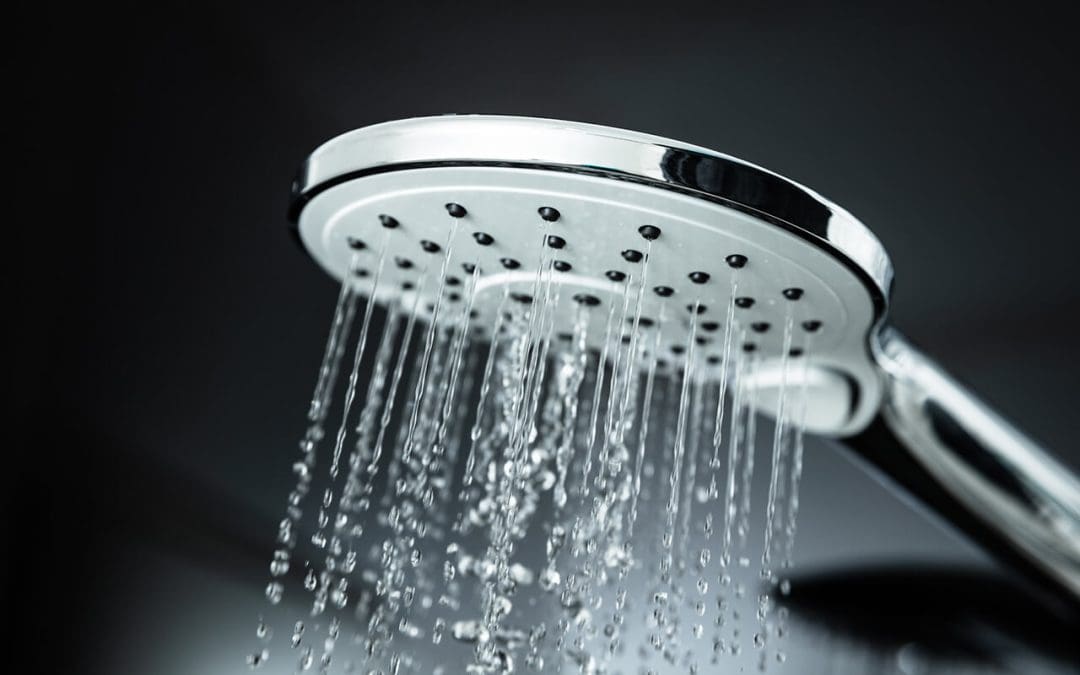
Water conservation and indoor air quality are two of the most under-addressed eco-friendly home improvements available, two areas where small changes produce the most consistent, quantifiable results. Low-flow fixtures are among the most accessible improvements a homeowner can install. A standard showerhead uses two to two-and-a-half gallons per minute; a low-flow equivalent uses one to one-and-a-half. Over a year, the difference in a household of four produces significant water savings. Faucet aerators, dual-flush toilets, and WaterSense-labeled fixtures extend the same principle to every water-use point in the home. Smart irrigation controllers replace fixed-schedule watering with weather-responsive systems, adjusting based on actual rainfall and soil moisture rather than a calendar. For homes with established landscaping, a smart controller is one of the home improvements with the fastest payback period; smart controllers consistently reduce outdoor water use by 30 to 50 percent.
Indoor air quality improvements reduce the chemical load in the home environment for both occupants and the air system circulating whatever is present. Switching to low-VOC or zero-VOC paints and finishes, choosing fragrance-free cleaning products, and using MERV 11 or better HVAC filters reduce airborne contaminants without structural changes. An energy recovery ventilator (ERV) provides continuous fresh air exchange without the energy penalty of opening windows, simultaneously improving air quality and maintaining thermal efficiency.
Smart Home Technology Home Improvements
Smart home technology contains some of the most effective and underestimated improvements, specifically because they reduce energy consumption without reducing comfort or convenience. Smart thermostats that learn occupancy patterns reduce HVAC energy use by 10 to 15 percent on average. The savings pay for the device within one to two years in most climates. Pairing a smart thermostat with smart power strips that eliminate phantom load addresses two of the most consistent household energy waste categories simultaneously. LED lighting conversion, where any incandescent or halogen bulbs remain, is the eco-friendly home improvement with the clearest cost-benefit math. LEDs use 75 to 80 percent less energy than incandescent equivalents and last 15 to 25 times longer. For rooms where lighting runs several hours daily, the energy savings per bulb are meaningful at the household level and compounded at the community level.
Landscaping Eco-Friendly Home Improvements
The outdoor environment offers eco-friendly home improvements that most homeowners don’t recognize as sustainability improvements, but that produce significant benefits in water use, soil health, and local ecosystem support. Native plantings, species that evolved in the local climate, require less supplemental water and no pesticides once established, as they are adapted to existing soil and rainfall patterns. Replacing a portion of high-maintenance lawn with native groundcovers, perennial plantings, or a rain garden reduces both water use and the chemical inputs conventional lawn maintenance relies on. Composting kitchen and yard waste closes the nutrient cycle on-site, diverting organic material from landfill while producing the soil amendment that feeds plantings without synthetic fertilizer.
Frequently Asked Questions (FAQs)
Which eco-friendly home improvements save the most money?
Smart thermostats, LED lighting, and low-flow fixtures consistently deliver the strongest cost savings relative to upfront investment; each pays for itself within one to three years. Smart irrigation controllers produce significant savings in homes with established irrigation systems.
Are eco-friendly home improvements eligible for tax credits or rebates?
Many are. Federal tax credits currently cover certain efficiency improvements, including insulation, windows, doors, and HVAC upgrades under the Inflation Reduction Act. Many utilities offer rebates for smart thermostats, LED lighting, and WaterSense fixtures. The Database of State Incentives for Renewables and Efficiency (DSIRE) at dsireusa.org is the most comprehensive resource for identifying what incentives apply to specific home improvements in any location.
How do I know which eco-friendly home improvements to prioritize?
Start with the improvements addressing your home’s highest-consumption systems. An energy audit identifies where the home loses the most energy and which improvements produce the greatest reduction. After high-consumption systems are addressed, water conservation and indoor air quality improvements produce the next tier of benefit.
Do eco-friendly home improvements increase home value?
Many do, particularly those that reduce operating costs measurably. Energy-efficient HVAC systems, smart thermostats, and low-flow fixtures are improvements buyers increasingly value as they calculate the total cost of ownership. Sustainable landscaping that reduces maintenance is similarly appealing in markets where water costs are high.
Can eco-friendly home improvements improve indoor comfort as well as environmental impact?
Yes. Better HVAC filtration reduces airborne irritants affecting respiratory health and sleep quality. Smart thermostat scheduling eliminates temperature swings from manual HVAC management. Low-VOC products reduce chemical compounds circulating through the home. An ERV provides the fresh air a tightly sealed home doesn’t get naturally.
Inspection Services of Wisconsin offers home inspections in Northeast and South Central Wisconsin. Contact us to request our services.