
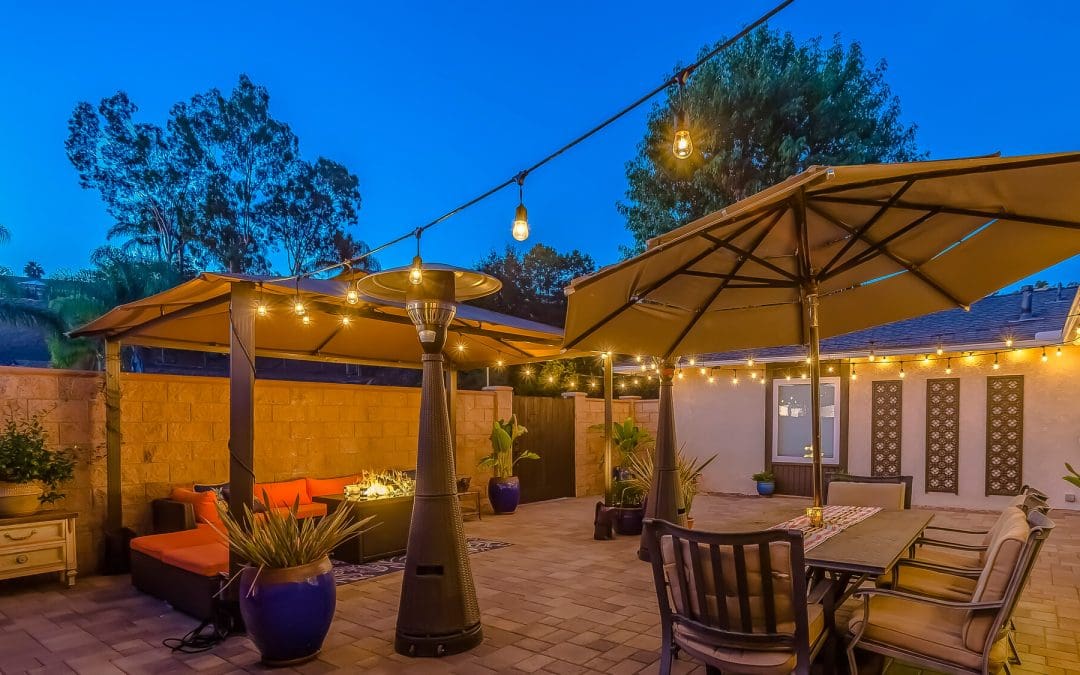
Your patio has the potential to be one of the most enjoyable spaces on your property, an outdoor living room where you relax, entertain, and make the most of warm weather months. But patios that haven’t been updated in a few years may feel tired and far less functional than they could be. Knowing how to update your patio with targeted, well-chosen improvements transforms even the most lackluster outdoor area into a space you’ll actually want to spend time in every single day.
How to Update Your Patio Without Starting From Scratch
Before investing in new furniture or décor, take stock of what you’re working with. A pressure-washed and sealed concrete patio looks dramatically different from one left to accumulate years of grime, and that transformation costs relatively little compared to replacement. Loose or uneven pavers can be leveled and reset without tearing up the entire surface. Weathered wood decking may only need sanding, staining, and new hardware to look like a completely different space. Starting with the surface itself gives you the cleanest possible foundation for every improvement that follows.
Define the Space With Furniture and Layout
Nothing transforms an outdoor space more immediately than furniture scaled correctly for the area and arranged intentionally. Measure your patio before purchasing anything and choose furniture that leaves enough circulation space to move comfortably. Defining distinct zones within a larger patio, a dining area on one side and a lounge area on the other, creates a more functional and visually interesting space than a single arrangement in the center. Durable, weather-resistant materials like powder-coated aluminum, teak, and all-weather wicker stand up to outdoor conditions while maintaining an attractive appearance season after season.
Update Your Patio With Shade and Overhead Elements
One of the most common reasons patios go underused during summer is a lack of shade. A pergola adds permanent architectural interest and provides a framework for climbing plants, string lights, and shade sails. Freestanding umbrellas and cantilever shade sails are more flexible, lower-cost alternatives that provide meaningful sun protection without permanent installation. Even a simple shade sail strung between two posts creates a cooler, more comfortable environment that extends outdoor living into the hottest afternoon hours.
Add Lighting to Update Your Patio for Evening Use
A patio that’s only usable during daylight hours is missing half its potential. String lights strung overhead are the most popular and accessible patio lighting upgrade. They create a warm, inviting ambiance with minimal installation effort. Permanent wall-mounted fixtures add a more polished quality to the lighting scheme. Solar-powered path lights along the perimeter, candles or lanterns on the table, and LED step lights on grade changes all contribute to a layered approach that makes the patio as beautiful and functional after dark as it is during the day.
Finishing Touches That Complete the Update
The details are what separate a patio that feels designed from one that feels assembled. An outdoor rug in a bold pattern anchors the seating area and adds warmth underfoot. Throw pillows and cushions in weather-resistant fabrics add color, comfort, and personality. Potted plants and container gardens bring life and greenery to a paved surface that might otherwise feel stark. A fire pit for cooler evenings or a dedicated drink station gives the space a purposeful, finished quality that makes every gathering feel intentional and well-planned.
Frequently Asked Questions (FAQs)
What is the most cost-effective way to update your patio?
Pressure washing and resealing the existing surface, updating cushions, and stringing lights overhead deliver significant visual impact for a modest investment. These changes collectively transform how the space looks and feels without touching the underlying structure.
How do I make a small patio feel larger?
Choose furniture scaled appropriately for the space, use light colors on surfaces, and keep the design simple and uncluttered. Vertical elements like tall potted plants or a trellis draw the eye upward and create a sense of height that expands the perceived size of a compact outdoor space.
What materials are best for outdoor patio furniture?
Powder-coated aluminum is lightweight, rust-resistant, and low-maintenance. Teak weathers beautifully and resists moisture naturally. All-weather wicker offers a classic look with good durability when made from quality synthetic materials. Avoid untreated wood and standard steel in humid climates where rust and rot accelerate quickly.
How do I add privacy to a patio without a fence?
Tall potted plants, bamboo screens, lattice panels with climbing plants, and a pergola with privacy curtains all create meaningful privacy without the permanence or expense of a fence. Combining two or three of these elements creates a genuinely secluded outdoor space that feels intentional and well-designed.
Inspection Services of Wisconsin offers home inspections in Northeast and South Central Wisconsin. Contact us to request our services.